
Why Am I Bloated? 3 Steps To Reduce Bloating.
If you’ve ever asked yourself, “Why am I bloated?” you’re not alone. Bloating can appear after eating, at the end of the day or seemingly out of nowhere. A bloated stomach can leave you feeling uncomfortable and worried. Sometimes this question is as simple as – “I’m lactose intolerant, and I drank a full-milk coffee” or “I had baked beans last night”, but gut health is not always so straightforward.
What is Gut Health?
Your gut is made up of something called the Gut Microbiome, which is a series of microorganisms (tiny bugs) that live in your small intestine (duodenum, jejunum and ileum) and your large intestine (cecum, appendix, colon).
These microorganisms thrive and die on the different types of foods we eat, and different microorganisms release different chemicals and gases which have different effects.
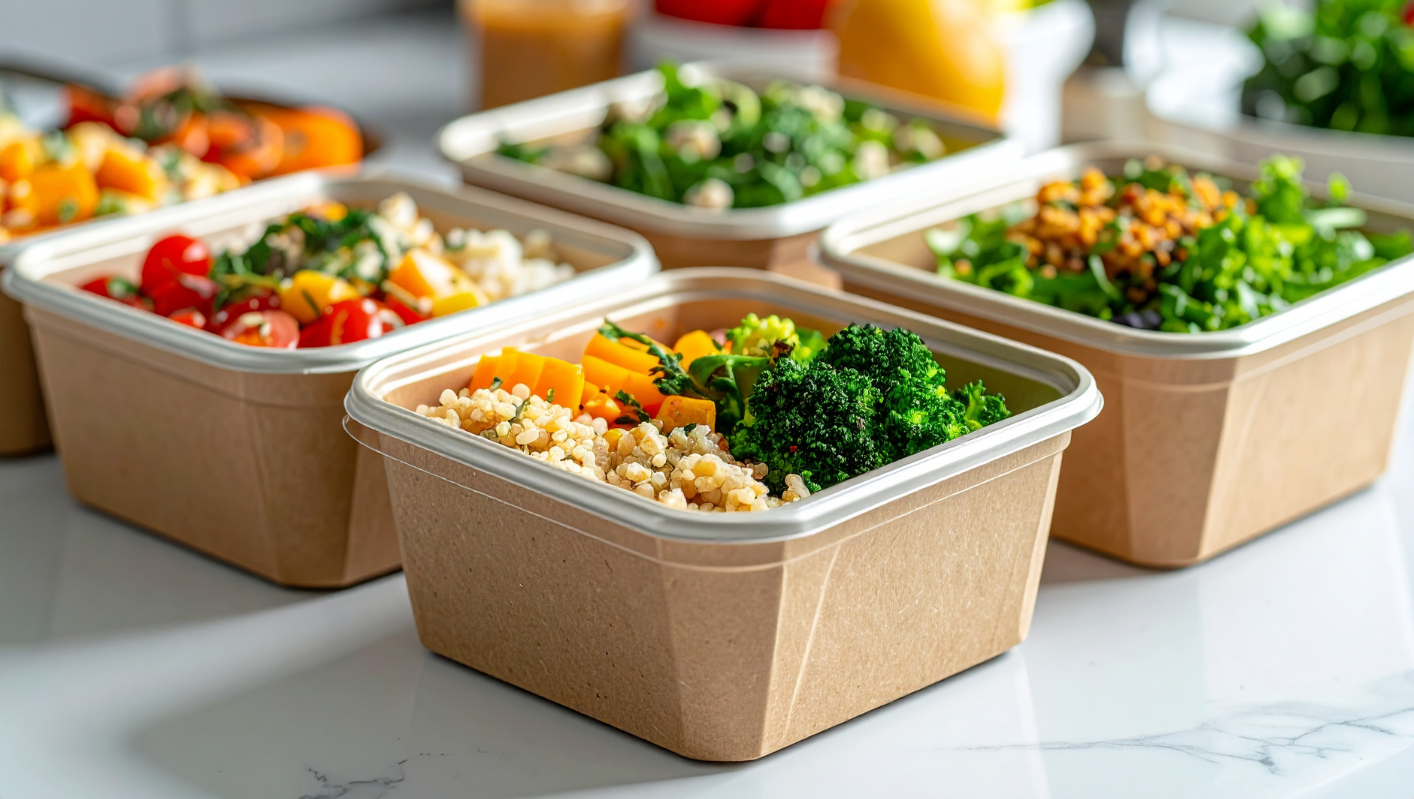
For example, eating a diet high in cruciferous vegetables (broccoli, cauliflower, brussels sprouts) breaks down into glucosinolates which are processed by bacteria that turn it into hydrogen sulfide (i.e. smelly gas). This is why when you eat a large amount of brussels sprouts, you will likely have more gas (farting) a couple of hours afterwards.
What Causes Bloating?
Some people have a lower tolerance to FODMAPS – also known as fermentable oligosaccharides, disaccharides, monosaccharides and polyols. This means that certain foods and fibres can create gas by bacterial fermentation, which results in - you guessed it – GAS, BLOATING, PAIN, FARTING.
Common FODMAPs are often found in cruciferous vegetables (broccoli, cauliflower, Brussels sprouts), as well as in cabbage, onions, garlic, beans, lentils, and sweeteners. Identifying whether these foods cause bloating, gas, and pain can help you build a tolerance to them by slowly introducing them into your diet, along with different types of fibre and vegetables.
Building a diverse and strong gut microbiome has been shown to help regulate mood and reduce the risk of bowel cancer. One way you can maximise your gut microbiome is to increase your intake of diverse sources of fibre, including fruit, vegetables, whole grains, nuts, and seeds.
3 Simple Steps to Reduce Bloating and Build Your Gut Health
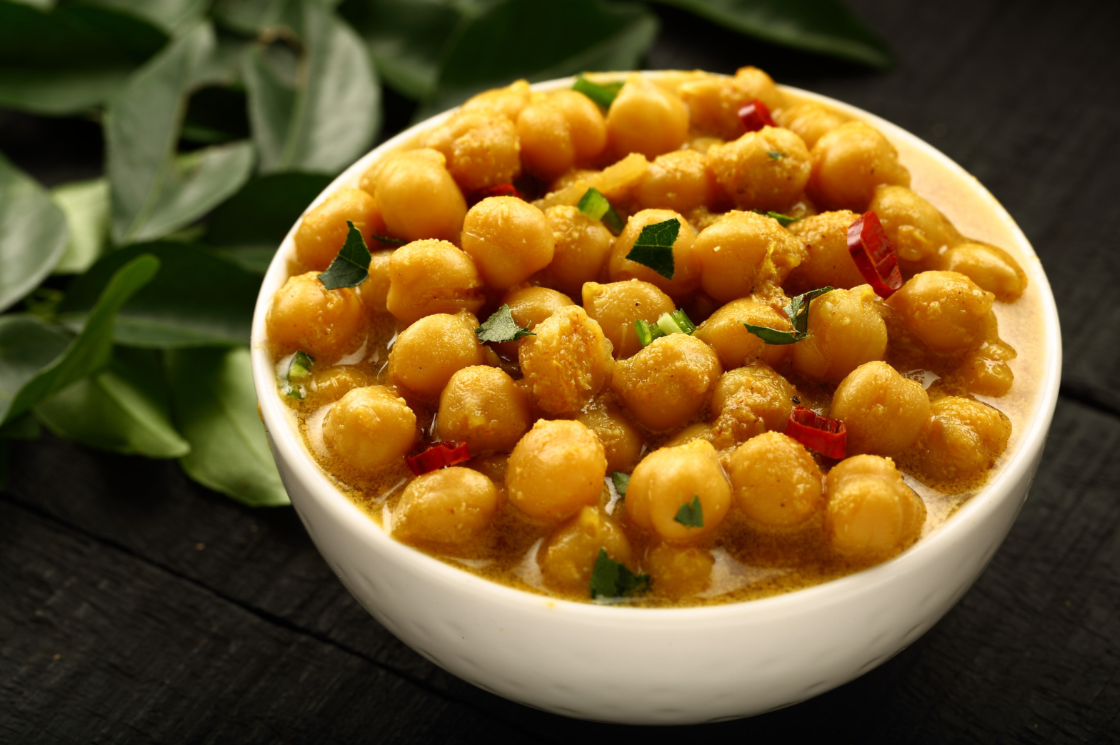
Introduce a small amount of soluble fibre every day. Chia seeds or psyllium husk are often the cheapest and most available, but other sources work too. Just 1 tablespoon over cereal, on toast, in yoghurt or as part of lunch or dinner will start to build that gut diversity and help solidify stools and reduce bloating
Have a vegetable of the week. This could be as simple as cooking with red kidney beans for meal prep or trying a new recipe with capsicum. New vegetables each week will increase gut diversity over time.
Have a vegetable of the week. This could be as simple as cooking with red kidney beans for meal prep or trying a new recipe with capsicum. New vegetables each week will increase gut diversity over time.
Increasing fibre in your diet doesn’t have to be hard.
And if you’re experiencing debilitating bloating, pain or diarrhea, please contact your GP and book in to see a dietitian.
FAQ: Common Questions About Bloating
-
Feeling bloated or gassy sometimes is normal, especially during your period or after eating a large meal or one high in FODMAPS. However, everyday bloating shouldn’t be ignored. Ongoing bloating can be linked to issues like constipation, food intolerances (such as lactose or gluten), IBS, a high‑salt or ultra‑processed diet, or stress. If your bloated stomach persists, is painful, or stops you from enjoying life, it's worth speaking to a GP or a dietitian.
-
Bloating is not always tied to unhealthy food. It’s often the opposite. Common food include:
Beans, lentils and chickpeas (high in fibre and certain carbohydrates)
Onion, garlic, cauliflower, broccoli and cabbage (cruciferous vegetables)
Carbonated drinks and sugar‑free drinks with artificial sweeteners
Dairy products in people with lactose intolerance
High‑salt and ultra‑processed foods
Cutting out all these foods is not the answer. Having a balanced diet and following my 3 simple tips can help you eat healthy and reduce bloating.
-
When it comes to bloating, there isn’t a magic pill or potion that can fix everything. Here are some of the tip I uses to quickly reduce bloating.
Going for a walk can help stimulate digestion and reduce gas buildup.
Drinking hot water or peppermint tea, which can often soothe digestion.
Yoga or a stomach massage can gently stretch the abdomen and release trapped air.
While these techniques can help in the short term, bloating can be affected by multiple factors, including diet, bowel habits, fluid intake, stress, and sleep.
-
Most bloating is uncomfortable but not dangerous. Still, you should see a doctor promptly if your bloating is new, severe, or persistent—especially if it’s accompanied by any of the following:
Unintentional weight loss
Blood in your stool or black, tarry stools
Ongoing diarrhoea or constipation
Fever, nausea or vomiting
These symptoms don’t necessarily mean something serious is wrong, but they do need proper medical assessment.
What can a Dietitian do?

Hi! I’m Hannah. An Accredited Practising Dietitian (APD) with a Master's in Nutrition and Dietetics, and I’m here to help! You do not need to suffer with bloating alone. I can help you reduce your bloating and improve your gut health. I can
Help identify the cause of bloating, speeding up your recovery process
Help you manage the systems, helping you feel better, quicker.
Create a customised meal plan for you that can improve your gut health and reduce bloating.
Help you start to feel better quicker
Let’s talk more about how we can reduce your bloating and make you feel lighter.